New Year in 2012

We in GHNI are very much looking forward to this new year in 2012 and especially in how we can better focus on truly qualitative “Help” and “Hope” for the “Hidden” and “Hurting” in the countries we work in. Our goals are always pivoted on the truth that helping people out of extreme poverty will only come about by fully engaging local people, resources, ideas, influence and leadership.

Your partnership in this is essential and crucial.

Thank you, you who have contributed generously your time, resources and financials to these foci!

Dan
Korku people of India 

You will see more on this as we post a GHNI proposal on goats in micro-enterprise among Korku in India …

The tribal Korku people of central India are concentrated in the states of Maharashtra and Madhya Pradesh.  At the end of the 20th century, they numbered about 560,000.  However, poverty and restricted use of ancestral land due to government attempts to save the Bengal tiger have led to malnutrition and even starvation among the Korku.  Mostare settled agriculturalists, and many have substantial farms;  others shifted as recently as the late 19th century from slash-and-burn jungle cultivation (jhum)to forestry and eld labour. The Korku live in villages of thatched houses. They have hereditary headmen and trace their descent along paternal lines.  They speak a language of the Munda family(Austroasiatic).  In religion the Korku are Hindus.  Their ceremonies resemble those of the low castes in that they employ their own priests and mediums instead of Brahmans.

Coal scavengers of Jharkhand, India

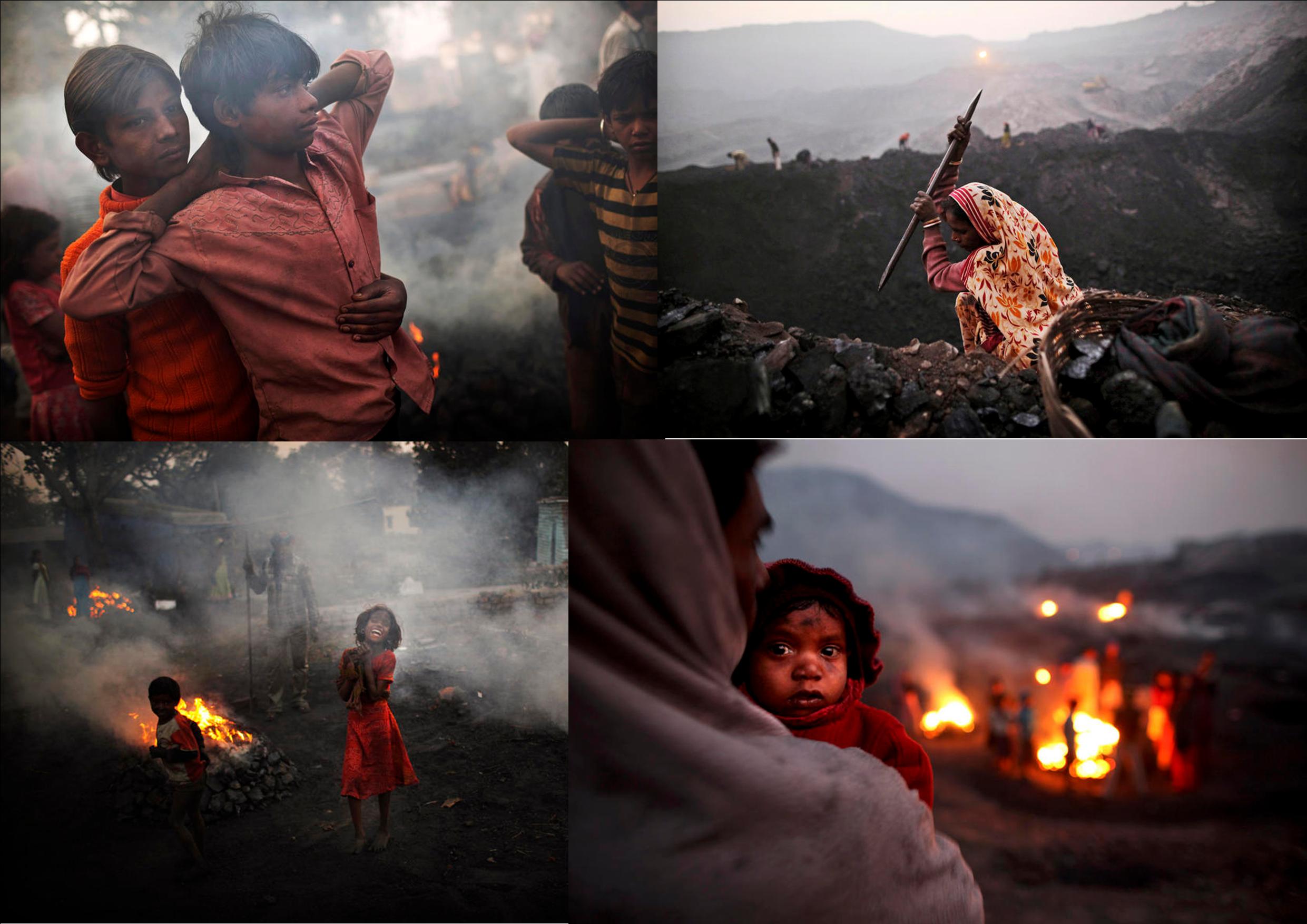
During our last trip to India, we interviewed several GHNI-India colleagues who work in villages where coal is processed.  In one of our interviews, he described how he works directly with children of one of the lowest castes. The children from the villages would steal coal from trains as they passed through their villages, putting their young lives at great risk to gain a very small sum of money.  This photo and its link reminded me of this particular interview and our work in India to help these children out of this cycle.  Though not a GHNI link per se, it portrays well the lives we work with there in Jharkhand, India. 

http://blogs.denverpost.com/captured/2011/02/16/in-focus-coal-scavengers/2689/

Tirupur, India suicide rates

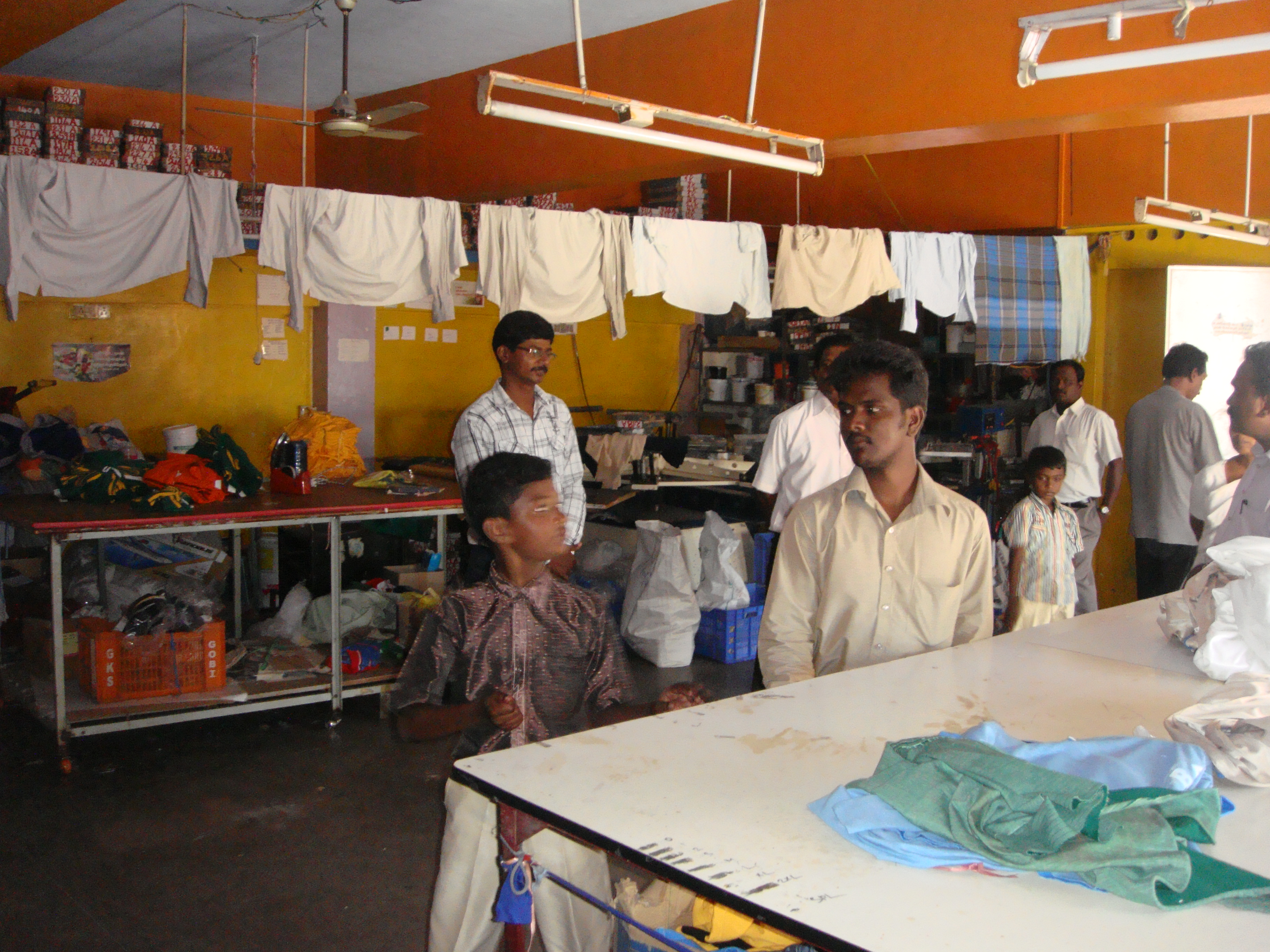
GHNI has ongoing work in Tirupur, India, a textile (clothing) industry city.  Our work there is in seeking to help in lowering the extremely high suicide rates of these workers.  Conditions are unbearable in many factories there. A typical work week is 6 days, 12 hours each day and a pay of only $3-$5.5 per day.  A good WEB site to start looking at this is at:

http://www.sewingmantra.com/index.php/news/increasing-garment-worker-suicides-in-tirupur-india/

Textile Factory - Tirupur, India