New Well In Jatapara, India

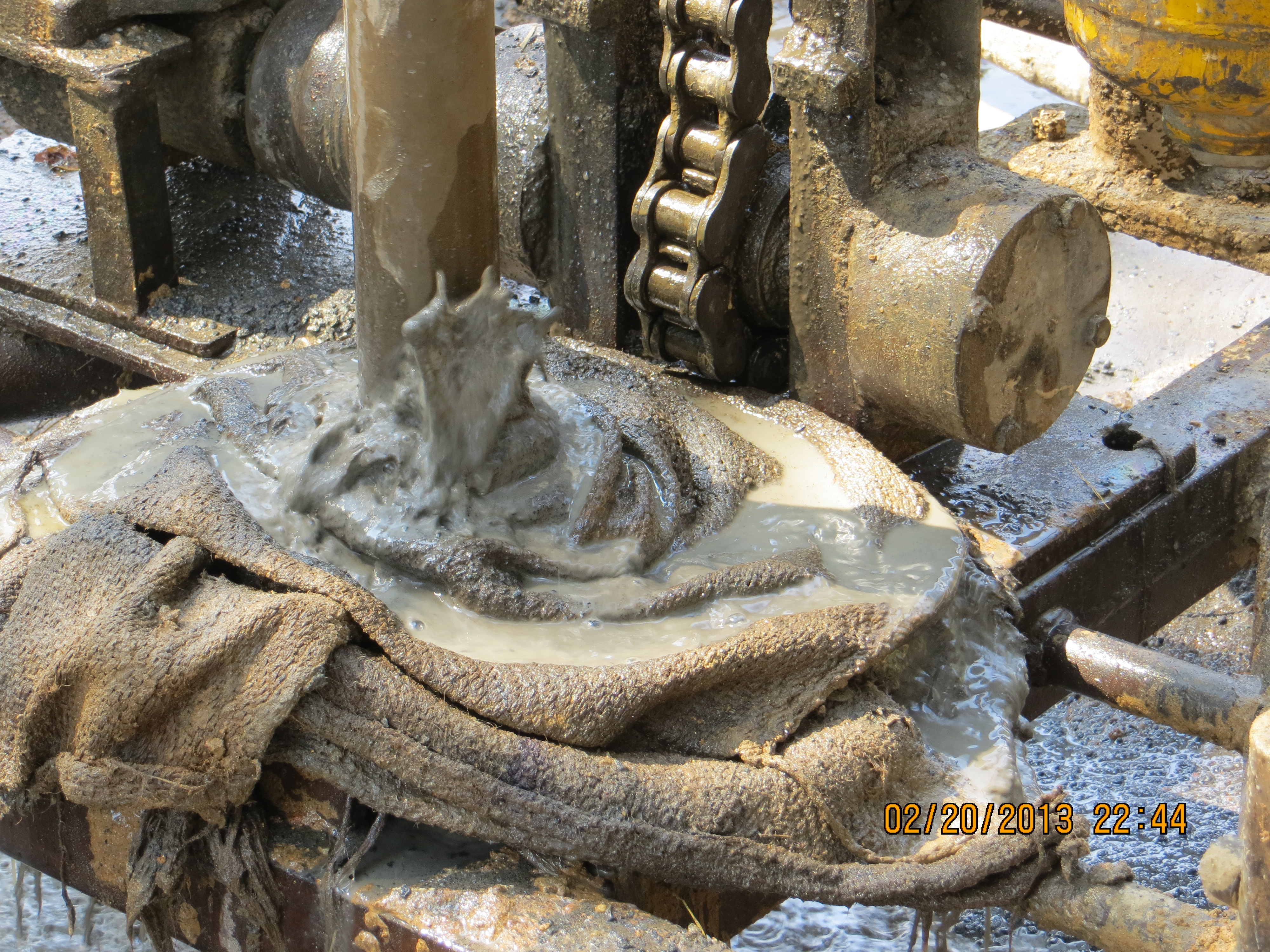
Close-Up Drilling Rig Shot
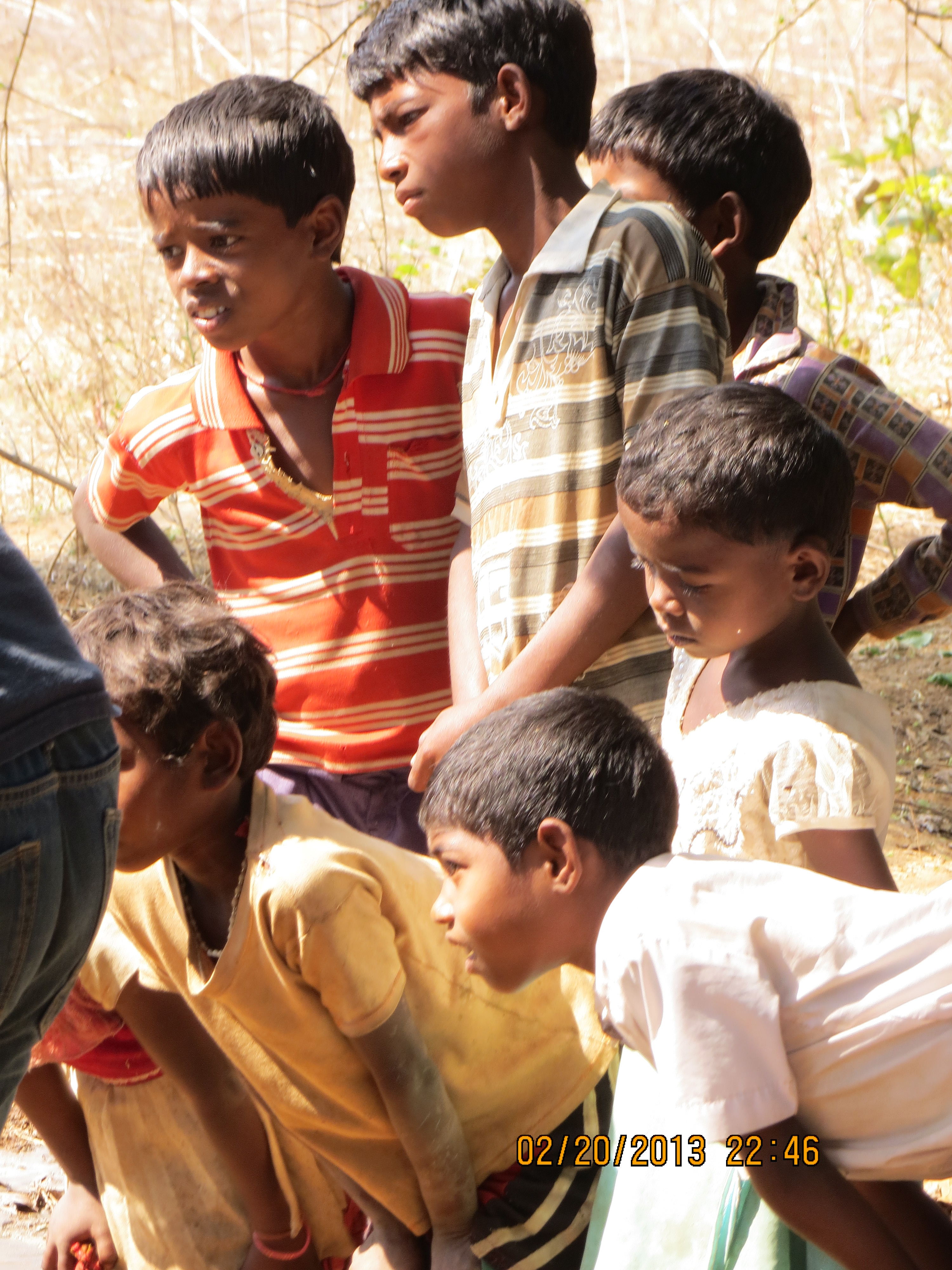
Well-Kids Watching Drilling
Dry Very Dry Place - Jatapara
Dry Very Dry Place – Jatapara
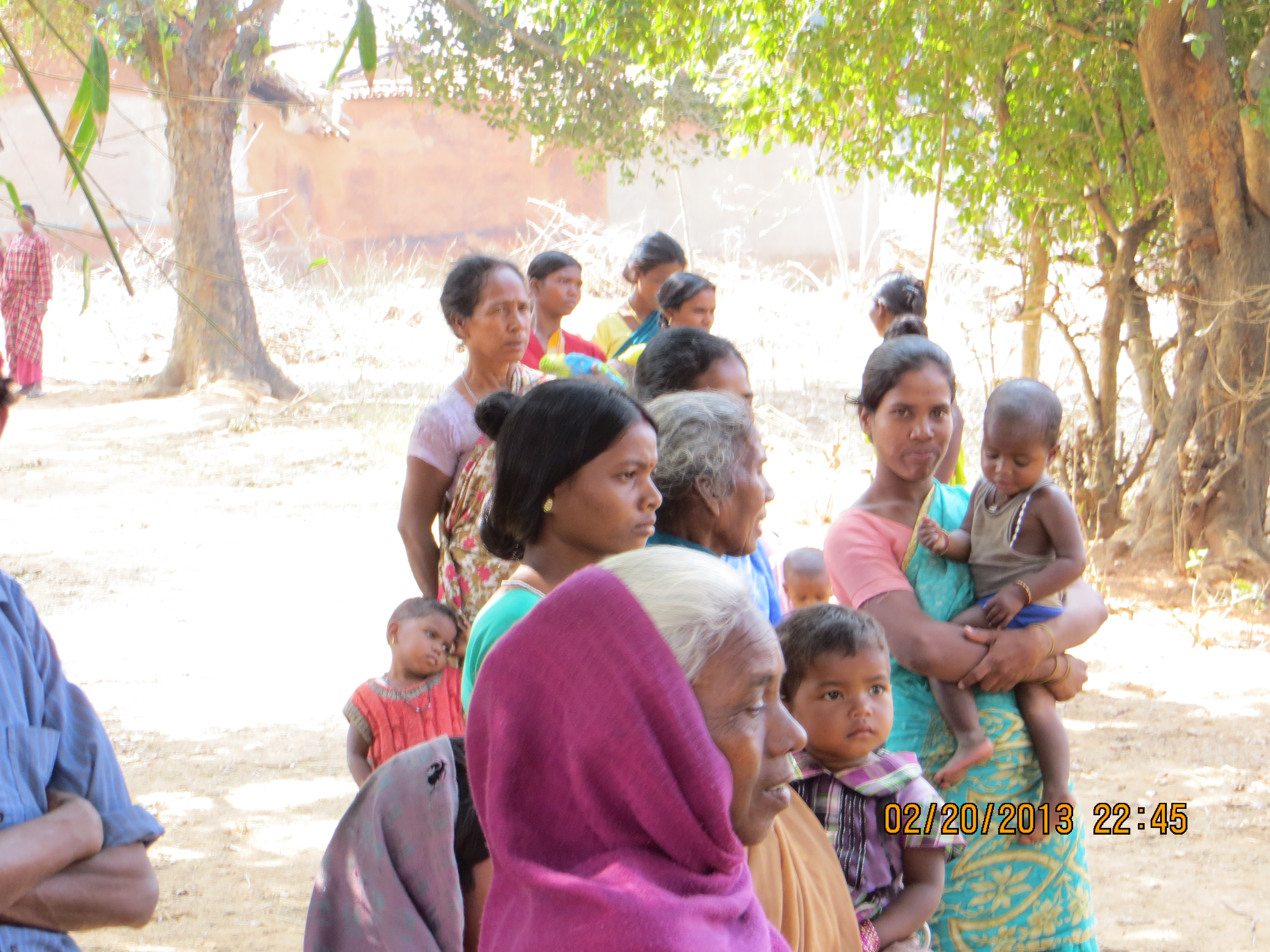
Well Drilling-Families Awaiting Water-Jatapara
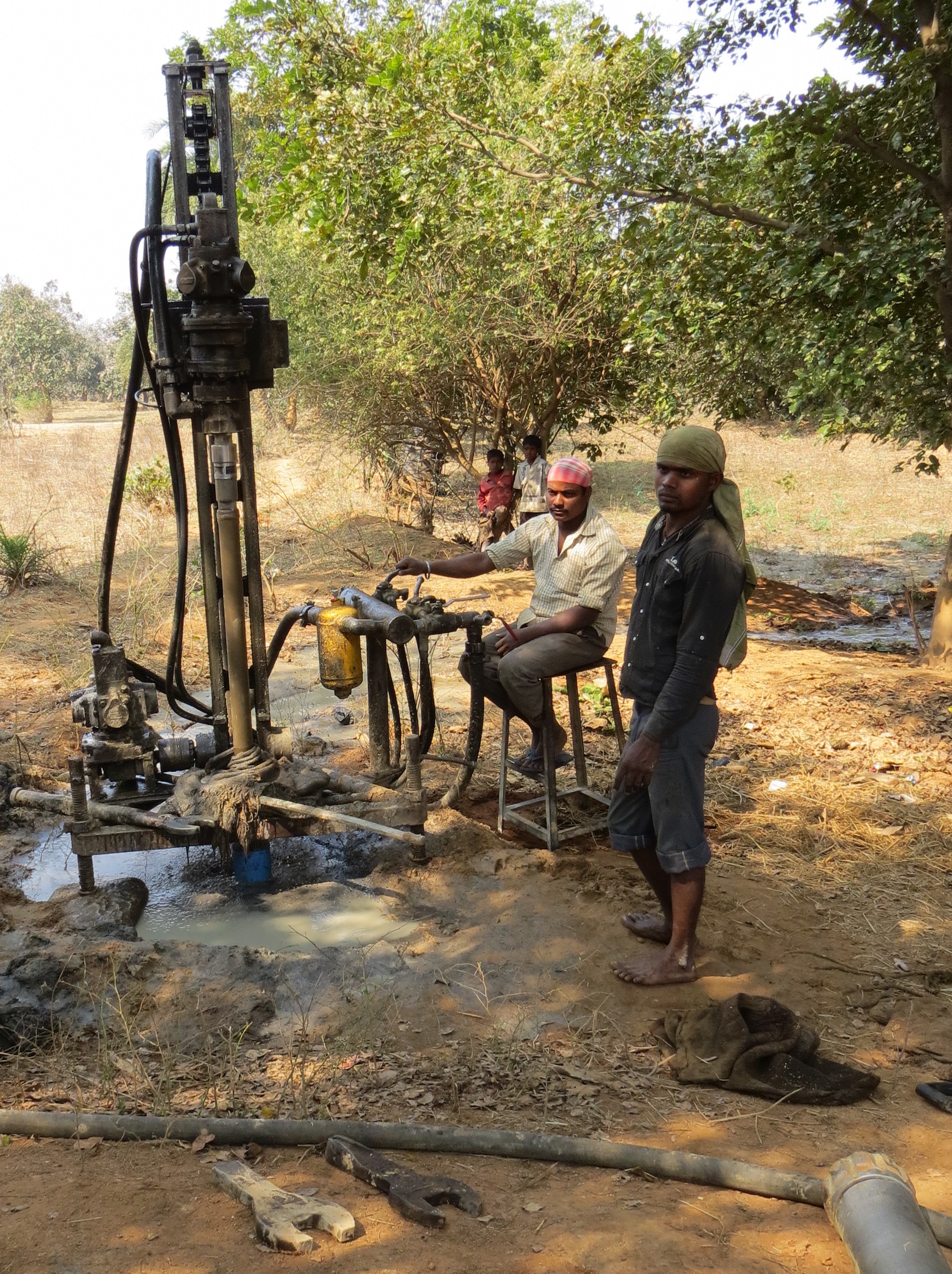
Well Drillers At Work - Jatapara, India
Well Drillers At Work – Jatapara, India
Well Drilling-Pipe Heading Over-Jatapara
Well-Jatapara-w.pipes

Visualized it, written about it, budgeted for it, and reported on it; but this was my first time actually being on site and seeing the drilling process for water. February was a great month to be in India again for two weeks!

It is a fascinating thing to watch not only the drilling process, but also the human activity going on around such an important “event” in the lives of the recipients. People were everywhere!

One such well in one village, can usually have the capacity to provide water for 150-300 people. One of our goals in GHNI is to provide the very best of both water “quality” and “quantity” sufficient for such a village as this in Jatapara, India.

Thanks to you who provide such financial backing, we in GHNI are able to bring not only this water source; but also the critical means of Transformational Community Development(TCD), that trains TCD Trainers to build self-sustainability into every project and process we commit to. This is your work! Thanks!

Unedited Well News From Arcot & Tirupur, India

This slideshow requires JavaScript.

TIRUPUR, ARCOT BORE WELL project by the GHNI:

People those who lived in Ammapalayam, Tirupur went through much scarcity of water and also lot of physical and mental hardship.  In Tirupur our team had campaign against suicides, through which we reached thousands of people.  This area in India records highest suicide rate.  With the help of GHNI we dig a bore well in one of the village, around 400 people benefited out of this.

Another bore well was drilled in the same way in Arcot, near Vellore.  This bore well benefited around 200 people.  Through these bore wells in these 2 places hundreds of people got enough drinking water.

More than 200 families in this village, but there is water scarcity .  GHNI helped us to make 300 feet bore well with the expense of Rs.90,000/-.  The bore well was dedicated by our National leaders Mrs. Annie, Mrs. Neena.

Another bore well is digging now in Gummudipundi area on the way to Andhra from Chennai. This will complete it works next week. This is the place where Dan visited and heard the story of a poor widow.

Wells Of Tirupur, India

This slideshow requires JavaScript.

Tirupur, India is in many ways hostage to its own success.  A major clothing and garment manufacturing center of India, tens of thousands remain without basic needs such as clean water.  These are subjugated to “system” of slavery intrinsic to this industry that pays $4-$7 dollars per week, depending on whether you are a women/man and where one is in the processes of this type of manufacturing.  Most in the West would call it “slave labor”.  GHNI is now(7/’12) in the process of digging its first well in this neediest of locations.  This water is available for not only home domestic needs, but will also be available for irrigation purposes also needed in these families for crops cultivation.  Dan was there at the end of 2011 and personally witnessed these families in dire need of clean water. 

Foraging The Forests – Korku of India

This slideshow requires JavaScript.

Foraging the forests historically, Korku Tribes in Betul District of Madhya Pradesh are some of the most impoverished and malnourished people on the face of the earth.  Historically rangers and caretakers of the forest, their traditional diets have come from just that, foraging the forests.  As a result, they seldom eat nutritious foods and are mostly devoid of protein intake.

Water, of good clean quality has also been in extremely short supply with the Korku.  Many have to travel longs distances to collect small amounts of low quality water for their homes and living needs.

Additionally, due to competition among so-called government groups there, little has been received from the people in terms of genuine self-sustainable help.

GHNI is currently in the process of a project to help in some key areas of need among the Korku. Rameshwer has requested at least 1 good water well and 30 (10 males & 20 females) goats for the village clusters he works in.  Rameswer is a truly good man working under extreme conditions, as he gives to the Korku people from his limited resources.  GHNI is committed to helping Rameswer and the Korku he serves.